
 Sachin Solanki
 Mar 21, 2026
The Future of Remote Work: Strategies for Success
Education
Introduction – The World’s Most Traded Spice
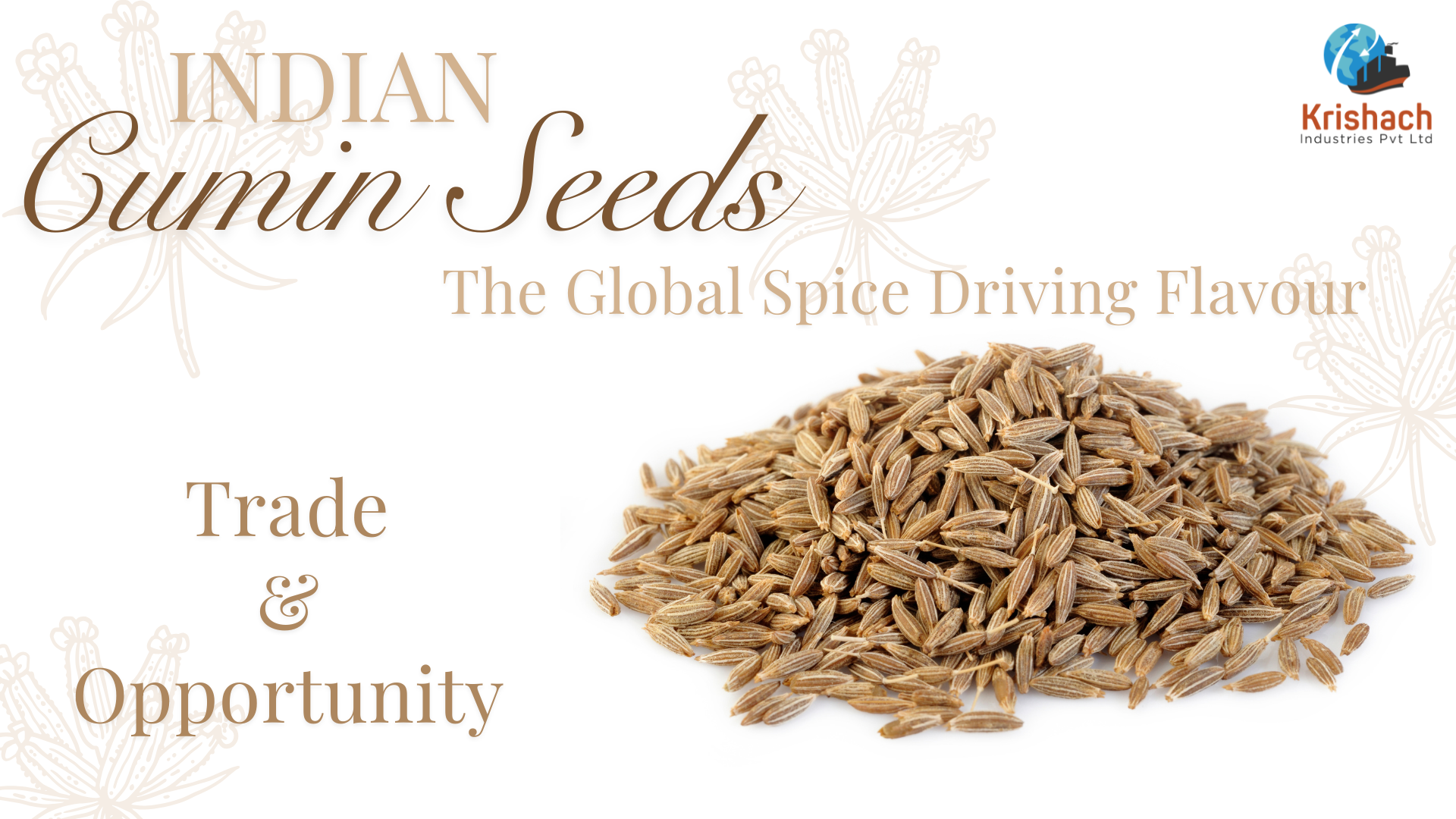
Cumin seeds, with their unmistakable earthy aroma and warm, nutty flavour, are the aromatic backbone of countless cuisines and one of the world’s most traded spices. From ancient Indian curries to modern Tex‑Mex recipes, cumin seeds have travelled far from their origin to become a kitchen staple worldwide. For India—which produces the majority of cumin on the planet—the spice is more than a culinary favourite; it’s a thriving export commodity that fuels global flavour trends and creates vast opportunities for importers and food manufacturers alike.
Cumin seeds (Cuminum cyminum) come from a delicate, small plant grown primarily in dry, arid conditions. While countries such as Syria, Turkey and Iran grow cumin, India dominates global supply due to its ideal climate, skilled farmers, and centuries‑old cultivation practices. Understanding cumin’s journey—from the sandy soils of western India to the spice racks of global supermarkets—reveals why this humble seed continues to captivate chefs, consumers and traders across continents.
Origin & Indian Strength
The heart of cumin production lies in India’s western states. In particular, entity Gujarat state in India and Rajasthan state in India account for over 90 % of national output. These semi‑arid regions experience cool winters and dry summers, creating the perfect climate for cumin plants. The sandy soil drains quickly, preventing root rot and encouraging deep root development. Farmers sow cumin seeds in November after the Diwali harvest and irrigate them lightly through January and February. By March or April, the seeds are ready for harvest.
Several factors give Indian cumin its competitive edge:
- Climate Advantage: Dry winters and low humidity reduce fungal infections, resulting in cleaner seeds with fewer defects.
- Seed Quality: Indian cumin varieties, such as “EU‑type” and “Gujarat 5,” are known for their bold seeds, high essential oil content and uniform colour.
- Traditional Knowledge: Farmers in Gujarat’s Banaskantha district and Rajasthan’s Jodhpur region have perfected cultivation techniques over generations, ensuring consistent yields and quality.
- Post‑Harvest Practices: Many farmers use sun drying, winnowing and mechanical cleaning to preserve essential oils and reduce microbial load.
New Crop 2026 Market Insight
Cumin is typically harvested between February and May. The 2026 season has seen favourable weather across Gujarat and Rajasthan, leading to bold seeds with strong aroma and high oil content. Market reports indicate that seed sizes are slightly larger and more uniform than last year, which improves efficiency for processors and exporters. Moisture levels are below 10 %, and colour is bright brown—both signs of good quality.
This period right after harvest is the best time for buyers to secure supply. Freshly harvested cumin is more abundant and competitively priced. Exporters like Krishach Industries Pvt Ltd Indian agro-commodity exporter can offer different purity grades—98 %, 99 % or 99.5 %—to meet importers’ specifications. Buyers seeking premium lots (with higher essential oil and low foreign matter) may find limited quantities available later in the year as inventories tighten and prices firm. Securing supply during the new crop season ensures quality and price advantage.
Global Market Demand
Cumin seeds are ubiquitous in spice blends and industrial food processing, fuelling demand across multiple regions:
- United States: The U.S. is the largest importer of Indian cumin, using it in chili powders, taco seasoning, sausages and ready meals. As health‑conscious consumers seek natural ingredients, demand for cumin—especially in organic and non‑GMO products—continues to rise.
- Europe: Western European countries such as Germany, UK, Spain and the Netherlands import cumin for ethnic foods, spice blends and food manufacturing. Strict EU regulations require low pesticide residues and microbial counts, prompting Indian exporters to adopt steam sterilization and cleaning technologies.
- Middle East: Countries in the Gulf Cooperation Council (GCC) use cumin in traditional dishes like hummus, falafel and kebabs. Demand for whole seeds and ground cumin remains strong across the UAE, Saudi Arabia, Oman and Kuwait, where Indian spice blends dominate.
- Asia & Africa: Apart from domestic consumption, Indian cumin is shipped to Japan, South Korea and Africa for spice blends, prepared seasonings and snack foods. Demand in Asia is growing due to the popularity of Indian and Middle Eastern cuisines.
Cumin’s versatility is key to its broad appeal. Food manufacturers use ground cumin to flavour sauces, soups, meat products, marinades and snacks. Snack companies often blend cumin with chili, turmeric and coriander for savoury seasoning mixes. Cumin oil and oleoresin—a concentrated flavour extracted from seeds—are used in beverages, savoury snacks and cosmetics.
Quality Standards Buyers Look For
Professional buyers of cumin seeds—from spice processors to packaged food brands—have strict quality requirements:
- Purity Grades: India offers cumin seeds in 98 % purity (with minor foreign matter), 99 % purity and 99.5 % purity. Higher purity means fewer sticks, dust and broken seeds, which improves grinding efficiency and product quality.
- Moisture Content: Moisture should not exceed 10 % to prevent mold growth and ensure safe storage during shipment. New crop cumin seeds typically test at 8–10 % moisture.
- Sortex Quality: Sortexed cumin is machine‑cleaned to remove stones, husks and discoloured seeds. Optical sorters ensure uniform colour and shape, critical for high‑end spice blends and private label packaging.
- Sterilization: Many buyers demand steam sterilized or ETO‑free cumin. Steam sterilization reduces microbial load, while ETO‑free guarantees no ethylene oxide residues (restricted in the EU and North America).
- Residue Limits: Cumin exported to the EU and USA must comply with maximum residue limits (MRLs) for pesticides and heavy metals. Quality exporters follow good agricultural practices and use residue‑testing labs to verify compliance.
Indian exporters often hold certifications such as FSSAI, HACCP, ISO 22000, BRC, Organic (USDA NOP/EU), Kosher and Halal to reassure buyers. They may provide batch‑wise certificates of analysis (COA), including moisture, purity, essential oil percentage and microbiological results. For organic cumin, traceability from farm to warehouse is crucial to maintain organic integrity.
Export & Supply Chain
Cumin export logistics revolve around efficient packaging, documentation and shipping. Key points include:
- Packaging: Standard packages are woven polypropylene (PP) bags or jute sacks of 25 kg or 50 kg. Some buyers request laminated bags or paper bags for premium branding. Bulk container liners (jumbo bags) are used for large shipments. For retail packs, exporters fill spices in sachets or jars under private labels.
- Ports & Shipping: Most cumin exports depart from Mundra Port in Gujarat, India’s largest container port. Kandla and Mumbai (Nhava Sheva) are alternative ports. Transit times vary: roughly 14–21 days to Europe, 25–35 days to North America, 10–15 days to Middle East and East Africa.
- Container Loading: For a 20‑foot container, exporters load about 13–15 tons (approx. 260–300 bags of 50 kg). A 40‑foot container can handle 25–27 tons (approx. 540–550 bags), depending on the bag type and shipping line’s weight limits.
- Insurance & Documentation: Shipments are covered under marine insurance. Exporters prepare documents such as commercial invoice, packing list, phytosanitary certificate, Fumigation certificate (for non-sterilized seeds), certificate of origin, bill of lading, and quality/test certificates. Some buyers require SGS or BV pre‑shipment inspection.
Timely shipments and clear documentation help buyers avoid delays at customs and prevent contamination issues. Reputable exporters also offer real‑time tracking and updated shipping schedules to buyers.
Why Indian Cumin is Preferred Globally
Indian cumin enjoys a strong global reputation because it consistently delivers:
- Strong Aroma & Flavour: High essential oil content (2–3 %) imparts a distinctive warmth and sweetness that buyers value for spice blends.
- Competitive Pricing: India’s scale of production and efficient supply chain keep costs lower than competitors such as Turkey and Syria.
- Reliability & Scale: With annual production estimated around 500,000–600,000 MT, India ensures dependable supply for importers. Even in years of crop fluctuations, domestic supplies remain robust due to multiple growing regions.
- Innovation & Service: Indian exporters offer product customization (powder, whole, essential oils), quality processing (sortex, sterilization) and private label packaging. Many provide small order capabilities for specialty retailers and bulk supply for large food manufacturers.
- Ethical & Sustainable Practices: Growing emphasis on fair trade, organic production and farmer support programmes fosters responsible supply chains. Buyers increasingly value sourcing partners who invest in sustainability and rural development.
India’s Role in Global Cumin Trade
India produces approximately 70–80 % of the world’s cumin and accounts for about 65–75 % of global exports. According to trade data, India exported over 200,000 MT of cumin seeds in 2025–26 (approx.), valued at several hundred million dollars. Key export destinations include China, USA, UAE, Bangladesh, Netherlands, Saudi Arabia, UK, Yemen and Germany.
Demand for cumin continues to rise due to:
- Expansion of ethnic cuisine: Indian, Mexican and Middle Eastern flavours are mainstream worldwide, driving consumption of cumin.
- Health & wellness trends: Consumers favour natural spices over synthetic flavours; cumin is rich in antioxidants and digestive compounds.
- Processed food sector growth: Sauces, marinades, curry pastes and packaged meals use cumin as a base seasoning.
- Food safety awareness: Suppliers invest in sterilization technology and residue control to meet stringent import requirements, improving buyer confidence.
Meanwhile, emerging suppliers such as China (Xinjiang), Syria, Turkey and Iran produce smaller volumes and often export to niche markets or supply domestically. Their climate conditions can lead to variability in quality, giving Indian cumin a competitive edge.
Conclusion – Strategic Opportunity for Buyers
Cumin seeds may be small, but they hold vast potential for flavour innovation, health benefits and business growth. As the world’s largest producer and exporter, India—led by Krishach Industries Pvt Ltd, Indian agro-commodity exporter and other reliable suppliers—continues to meet global demand with high‑quality, competitively priced cumin. The 2026 new crop is robust, offering bold seeds with heightened aroma and oil content. For buyers looking to secure supply, now is the optimum window to partner directly with origin exporters and lock in long‑term agreements.
Whether you’re a food manufacturer formulating spice blends, an importer seeking consistent quality or a retailer expanding your product range, Indian cumin can be your differentiator. Its versatility, nutritional appeal and heritage connect the past with the future—binding cuisines and cultures through a single seed.