
 Tejas Patel
 Sep 19, 2025
Discover the Magic of Indian Spices: A Global Taste from India
Food & Recipes
Introduction: The Timeless Allure of Indian Spices
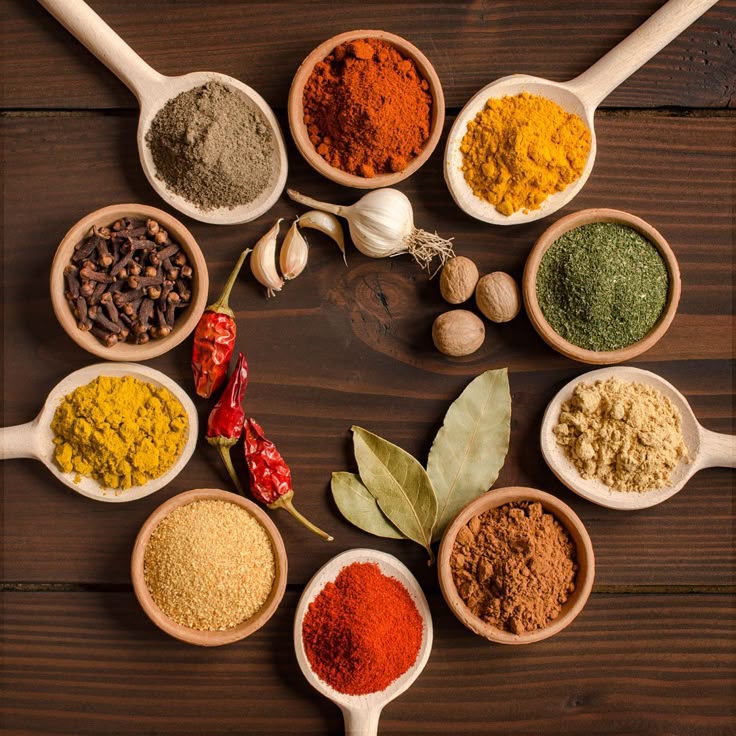
Few things evoke the vibrant spirit of India as powerfully as the aroma of its spices. From bustling street markets to royal kitchens and sacred temples, spices have shaped the culinary, cultural and economic fabric of the subcontinent for millennia. Today, the magic of Indian spices transcends borders, bringing bold flavors and health benefits to tables across the globe. As the world looks to India for both exotic taste and trusted quality, understanding the heritage and diversity of these spices is key to appreciating their global influence.
A Journey Through History: From Ancient Trade to Modern Kitchens
India’s spice legacy stretches back thousands of years, making the country the oldest and largest producer, exporter and consumer of spices in the world. Early records show that Indian spices such as black pepper, cardamom and cinnamon were traded with ancient civilizations in Egypt, Mesopotamia and Rome. The lucrative spice trade routes led to exploration and colonization, shaping global history. Portuguese, Dutch and British traders fought for control over India’s spice ports, and spices like pepper and cloves were once more valuable than gold.
In Indian culture, spices are revered not only for flavor but also for medicinal and spiritual qualities. Ayurvedic medicine uses turmeric, ginger and cumin for their healing properties. Turmeric’s active compound curcumin has anti-inflammatory benefits; cardamom and fennel aid digestion; clove and cinnamon fight infections. This blend of culinary and wellness tradition has given Indian spices enduring appeal.
Key Spices and Their Unique Profiles
- Turmeric (Haldi)
Known for its golden hue and earthy flavor, turmeric is a staple in curries, dals and pickles. Beyond its color, turmeric is celebrated for its antioxidant and anti-inflammatory properties. It’s used globally in health drinks, golden milk and dietary supplements.
- Cumin (Jeera)
Cumin seeds deliver nutty, peppery notes to spice blends like garam masala and curry powders. It’s a key ingredient in Mexican chili powder, Middle Eastern spice mixes and Indian tempering (tadka). Cumin aids digestion and adds depth to soups and sauces.
- Cardamom (Elaichi)
With its sweet, floral aroma, cardamom adds luxurious perfume to Indian desserts like kheer and gulab jamun. It also flavors chai tea and Middle Eastern coffee. Cardamom’s essential oils help freshen breath and aid respiratory health.
- Black Pepper (Kali Mirch)
Often called the “king of spices,” black pepper adds pungency to dishes worldwide. India’s Malabar and Tellicherry peppers are prized for their robust flavor. Pepper improves nutrient absorption and stimulates metabolism.
- Coriander (Dhaniya)
Coriander seeds lend citrusy notes to curries, pickles and spice blends. Their versatility bridges global cuisines from Thai curries to Mexican salsas. Ground coriander pairs with cumin to form a foundation for many spice mixes.
- Cloves (Laung)
Cloves are highly aromatic and add warmth to biryanis, marinades and chai blends. Rich in eugenol, cloves have analgesic and antibacterial properties, making them valuable in dental care and herbal remedies.
- Cinnamon (Dalchini)
Indian cassia cinnamon is bolder than its Ceylon counterpart, offering sweet heat to desserts, curries and savory stews. Beyond flavor, cinnamon helps regulate blood sugar and possesses antioxidant qualities.
- Fenugreek (Methi)
With a slightly bitter flavor, fenugreek seeds are vital in spice blends and pickles. They impart a nutty aroma to dishes like butter chicken and Tamil fish curry. Fenugreek is also used in herbal teas and lactation supplements.
These are just a few highlights from India’s diverse spice palette, which includes mustard seeds, saffron, asafoetida, fennel, mustard, red chili, bay leaf and more. Each spice plays a role in regional cuisines—fiery Andhra curries, fragrant Kashmiri rogan josh, coconut-rich Kerala stews, and tangy Goan vindaloos.
Global Influence: Indian Spices in World Cuisine
India’s spices have deeply influenced global cuisine. British curry houses popularized dishes like tikka masala, while American health trends embrace turmeric lattes and seed mixes. Middle Eastern and North African chefs use cumin and coriander in falafel, tagines and harissa. Cardamom appears in Scandinavian pastries and Middle Eastern baklava. Even mainstream Western brands feature turmeric and curry-inspired flavors in soups, chips and ready meals.
The versatility of Indian spices lies in their ability to transform simple ingredients into complex dishes. Garam masala—a blend of cardamom, cloves, cinnamon, cumin and coriander—forms the backbone of many curries. Meanwhile, spice mixes like sambar masala, rasam powder, and panch phoron add regional flair to lentils, stews and breads. As global consumers seek authenticity and flavor diversity, Indian spices fulfill the demand for exotic yet accessible tastes.
India’s Leadership in the Global Spice Trade
India dominates the spice market with over 75% of global spice production and exports to more than 180 countries. Major export markets include the United States, Canada, Germany, France, the UK, Netherlands, Italy, UAE and Bangladesh. According to government data, India exported over $4 billion worth of spices in 2023, with chili, turmeric, cumin, coriander and pepper leading the export charts.
Government bodies like the Spices Board of India (under the Ministry of Commerce and Industry) oversee quality, certification and promotion of Indian spices. Indian exporters adhere to international standards like ISO 22000, HACCP, FSSAI, Halal and Kosher. Initiatives like the “Brand India” campaign highlight India’s commitment to traceability, sustainable farming and value-added products.
Key production states include Gujarat, Rajasthan, Andhra Pradesh, Tamil Nadu, Kerala and Karnataka. Growing zones vary by spice: black pepper thrives in Kerala’s Western Ghats; cumin and fennel prefer the arid conditions of Rajasthan and Gujarat; cardamom flourishes in the monsoon-soaked hills of the Western Ghats.
To maintain competitiveness, Indian exporters invest in steam sterilization, ETO (ethylene oxide) free processes, and advanced cleaning and grading technology. This ensures spices meet the stringent pesticide and microbial standards required by importers in the EU and North America.
Opportunities and Challenges
Global demand for spices is driven by rising health awareness, ethnic cuisines, convenience foods and plant-based diets. The pandemic saw consumers experiment with home cooking and world flavors, spurring sales of spices and spice kits. However, exporters must navigate challenges like fluctuating production due to weather, volatile prices, stringent residue regulations and competition from emerging suppliers like Vietnam and China.
India must also encourage sustainable farming practices, reduce post-harvest losses, support smallholder farmers, and invest in research on climate-resilient spice varieties. Organic farming is expanding, particularly for turmeric, ginger and pepper, catering to the premium segment. Additionally, value-added products like curry powders, masala blends, ready-to-cook pastes, dehydrated herbs, spice extracts and essential oils offer higher returns than raw spices.
Taste the Magic: Bringing Indian Spices to Your Table
Whether you are a chef looking to innovate, a buyer seeking reliable suppliers or a home cook eager to explore new flavors, Indian spices offer endless possibilities. Here are a few ways to get started:
- Explore regional masalas: Try garam masala for North Indian dishes, sambar powder for South Indian lentils, or panch phoron (a Bengali five-spice blend) for vegetable stir-fries.
- Create your own blends: Combine cumin, coriander and fennel seeds for a versatile seasoning; add chili and mustard seeds for heat and tang.
- Pair spices mindfully: Cinnamon and cloves lend warmth to stews and baked goods, while turmeric and ginger add earthy brightness to soups and rice.
- Experiment with beverages: Masala chai blends black tea with cardamom, cloves, ginger and pepper. Turmeric latte or “golden milk” combines turmeric and pepper with milk and honey.
- Embrace sustainability: Support organic and fair-trade spices to ensure farmers benefit from ethical practices and secure livelihoods.
As the world celebrates diversity in food, Indian spices continue to connect people through flavor and culture. From ancient trade routes to modern gourmet kitchens, the magic of Indian spices endures. Harness their aromas and aromas to create dishes that captivate your taste buds and open a window into India’s rich heritage.